IPM: Integrated Pest Management software | Agrotis Skip to content

Agrotis Farm · IPM

Integrated Pest Management with field data

Spray only when the action threshold is reached. Agrotis IPM brings pest, disease and weed monitoring together, with an offline app, heat maps and season-long analysis, so you cut costs and decide with confidence.

  • ~50% fewer insecticide sprays in soybean
  • 30–40% fewer sprays in cotton
  • Off-line field app

Economic impact

Done right, IPM delivers real savings in the field

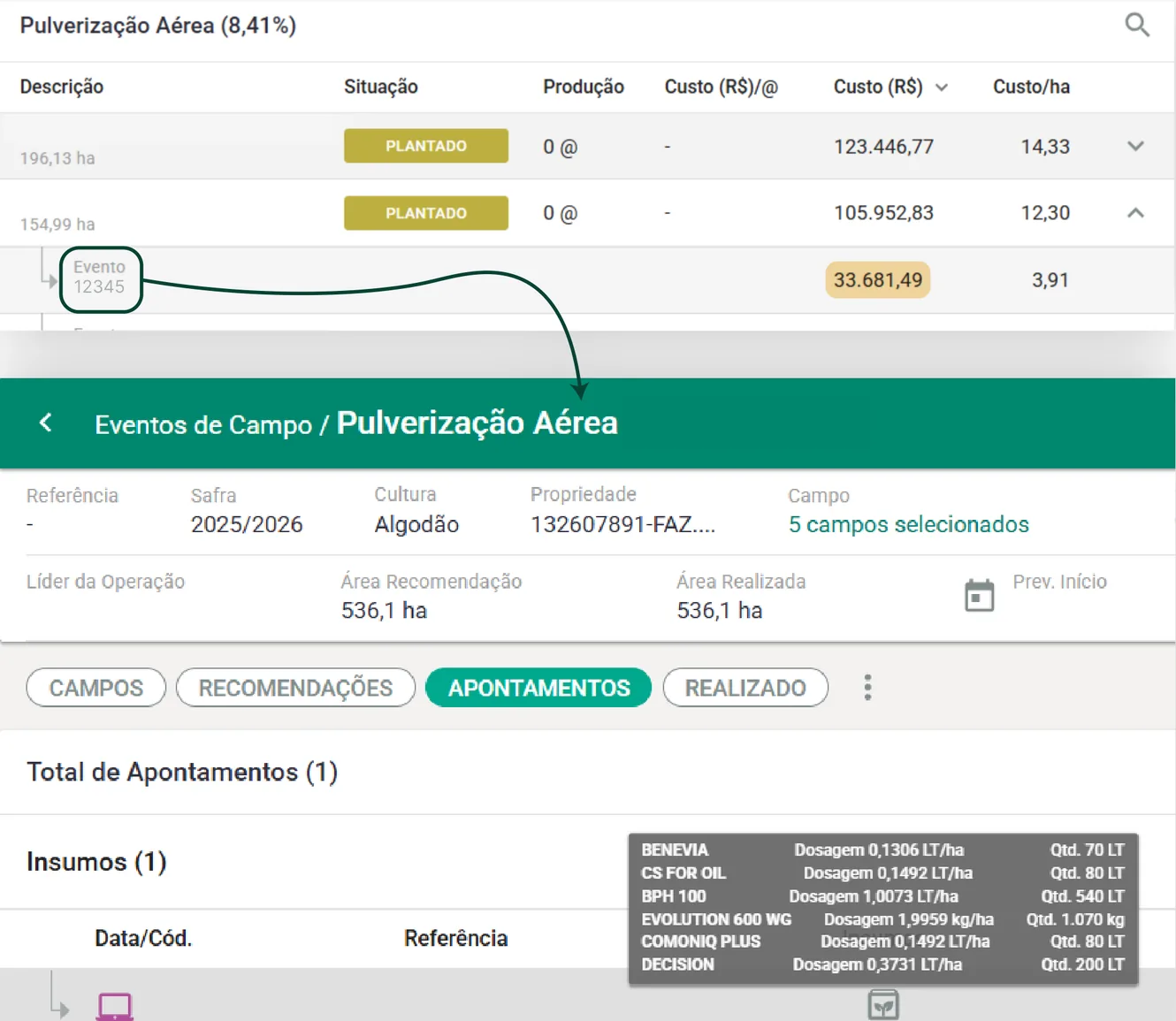
At a customer with 8,000 ha of cotton, applying Integrated Pest Management on just 155 hectares saved approximately R$ 33,681.49.

That is because spraying only happens when the action threshold is reached. In soybean, the reference estimate is 2 to 3 bags per hectare saved when sprays are guided by IPM.

Cut pesticide application costs in cotton by 40%

Aerial spraying cost by plot in Agrotis Farm, with R$ 33,681.49 saved in a cotton field event

What IPM is

Decide on data, not just on the presence of a pest

Integrated Pest Management is a strategy that uses monitoring and different control methods to keep pests below the level that causes economic loss.

Without structured monitoring, decisions end up based on perception or late information, leading to pest damage, less effective control and higher costs. IPM helps growers:

  • Cut crop protection costs
  • Make spraying more effective
  • Make production more sustainable
  • Make data-driven decisions
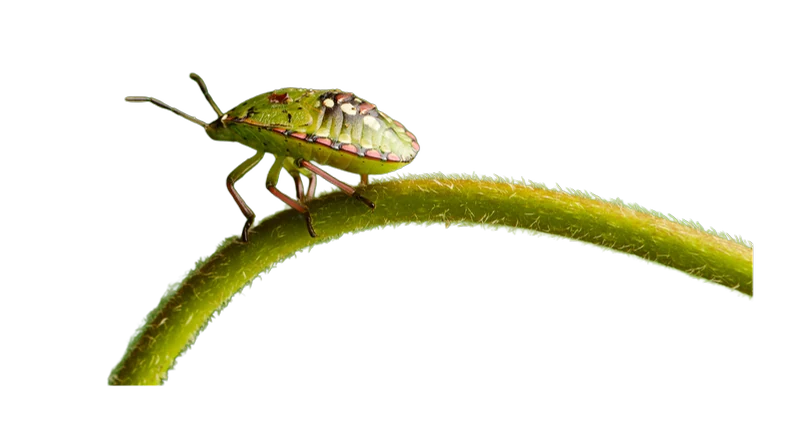
Stink bug on a plant stem
  • Is it time to spray?
  • Has the infestation reached the action threshold?
  • Where are the pest hotspots?
  • How do I avoid unnecessary sprays?

Integrated management follows a simple process

  1. 1

    Crop monitoring

    Identify pests and infestation levels.

  2. 2

    Economic injury assessment

    Understand whether the pest really causes losses.

  3. 3

    Decision

    Choose the best control strategy.

  4. 4

    Ongoing follow-up

    Track the pest over the season.

How Agrotis supports IPM

Complete tools for scouting and crop protection management

From action thresholds to reports, every step of pest management in one system. Click each step to see the details.

Setup

Action thresholds for pests, diseases and weeds

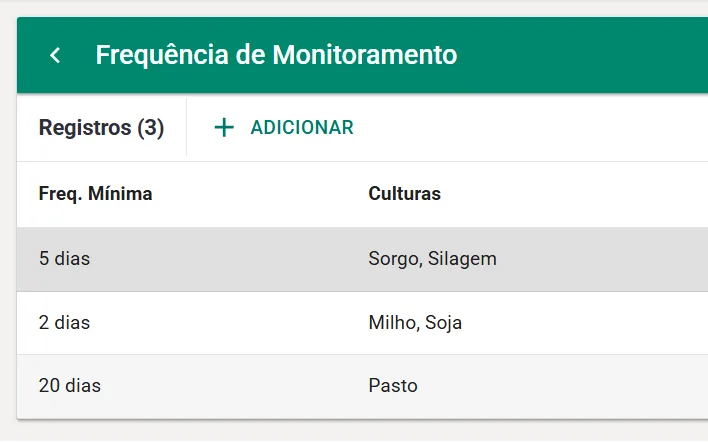
Set critical limits by crop, season, growth stage and target group, so the whole field team uses the same references all season.

  • Per-crop setup, such as soybean, corn and cotton
  • Limits by plant growth stage
  • Insects, diseases and weeds
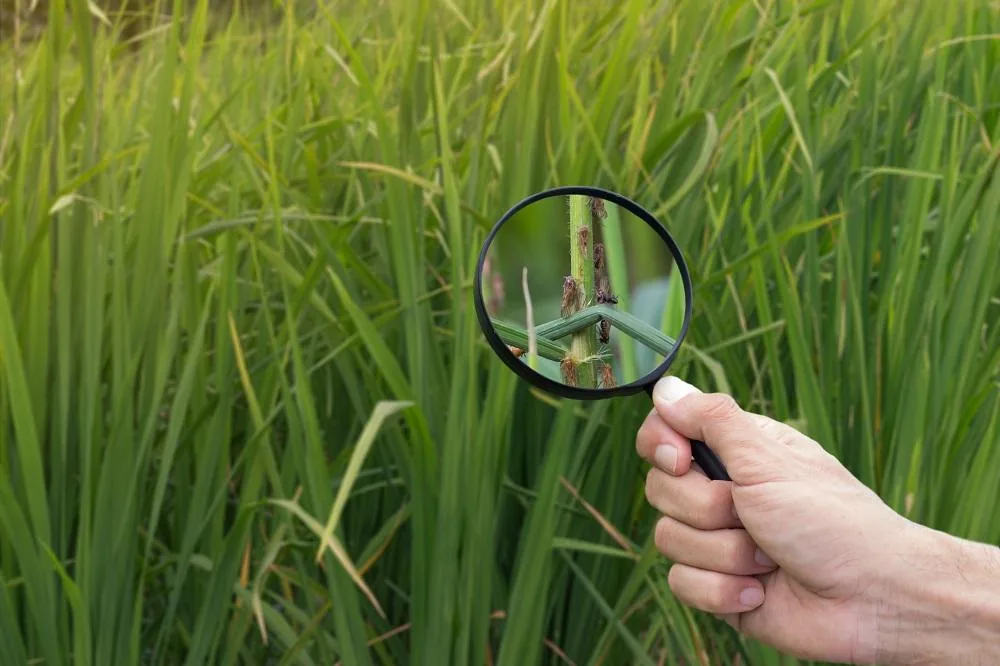
Pest assessment with a magnifying glass in the field

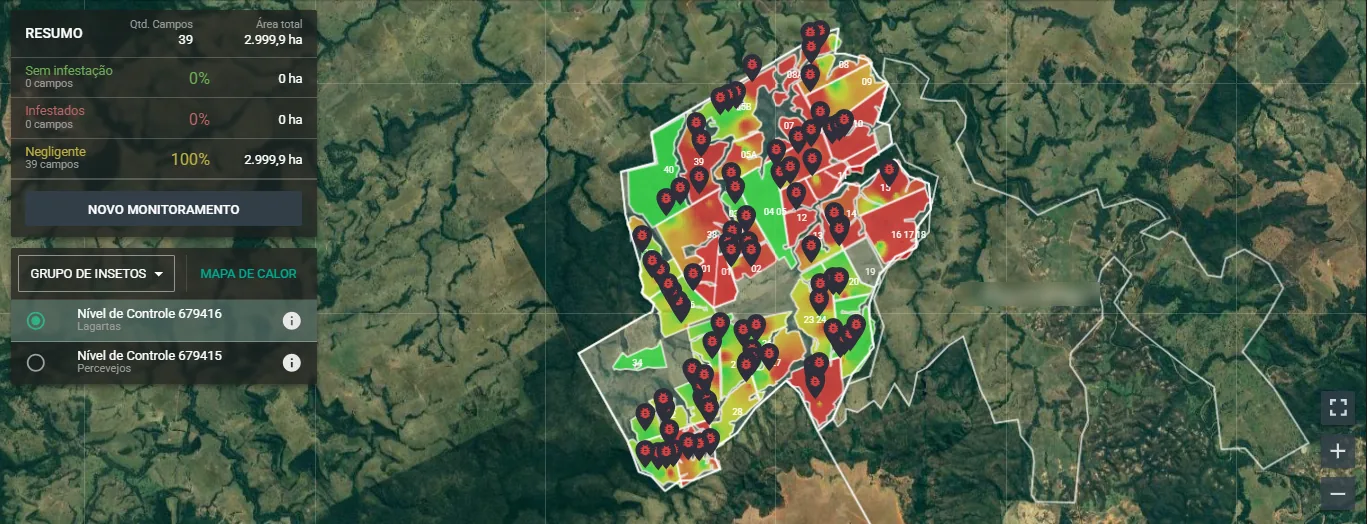
Heat map

Each color tells you what to do in each field

Maps classify each field’s status so you can prioritize spraying and leave no area unmonitored.

  • No infestation

    Pest controlled or absent

    Keep monitoring

  • Infested

    Action threshold reached

    Spray

  • Overdue

    No recent data

    Monitor again

IPM in practice

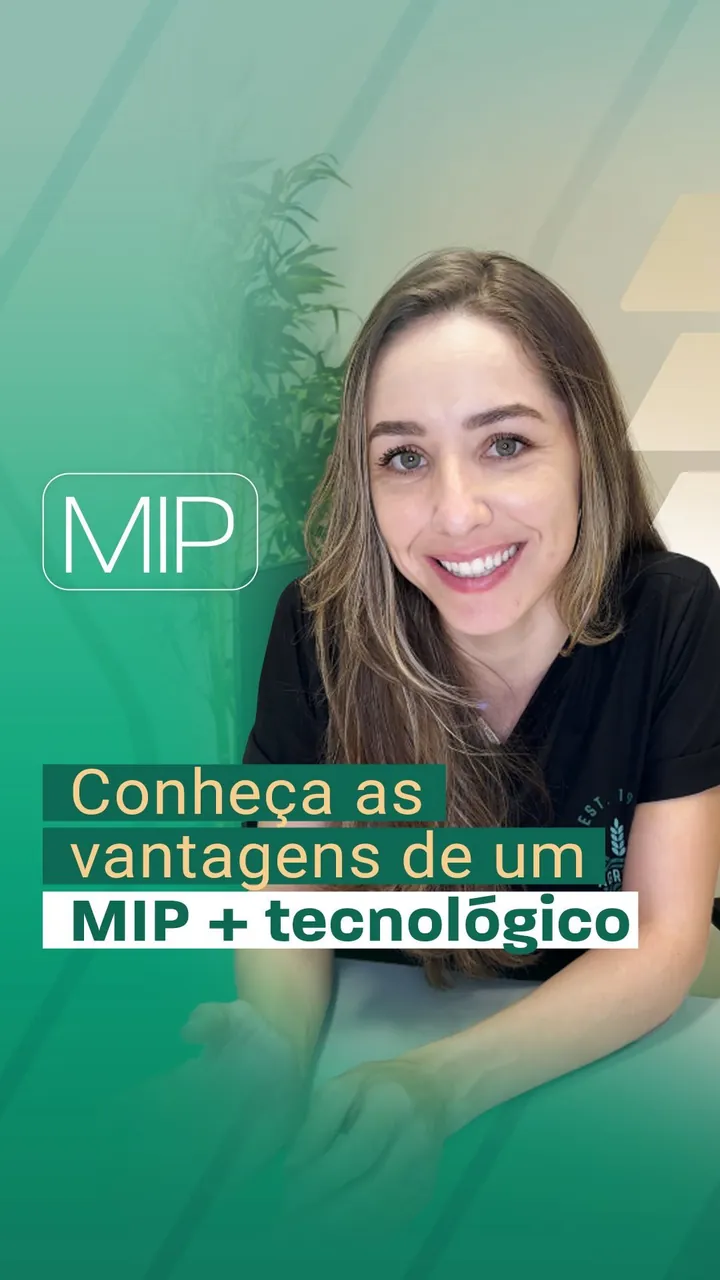
The benefits of a more tech-driven IPM

Monitor crops better, act at the right time and cut costs: see how technology turns pest scouting into safer decisions.

Who it’s for

Built for farms that take crop protection seriously

For operations with advanced crop protection practices and the structure to run IPM, from office to field.

Managers

Follow the field team, visit frequency, pest trends and target distribution to decide where and when to spray.

Agronomists in charge

Plan management: set IPM frequency, number of points and assessment methods, and send recommended events to the app.

Field team (scouts)

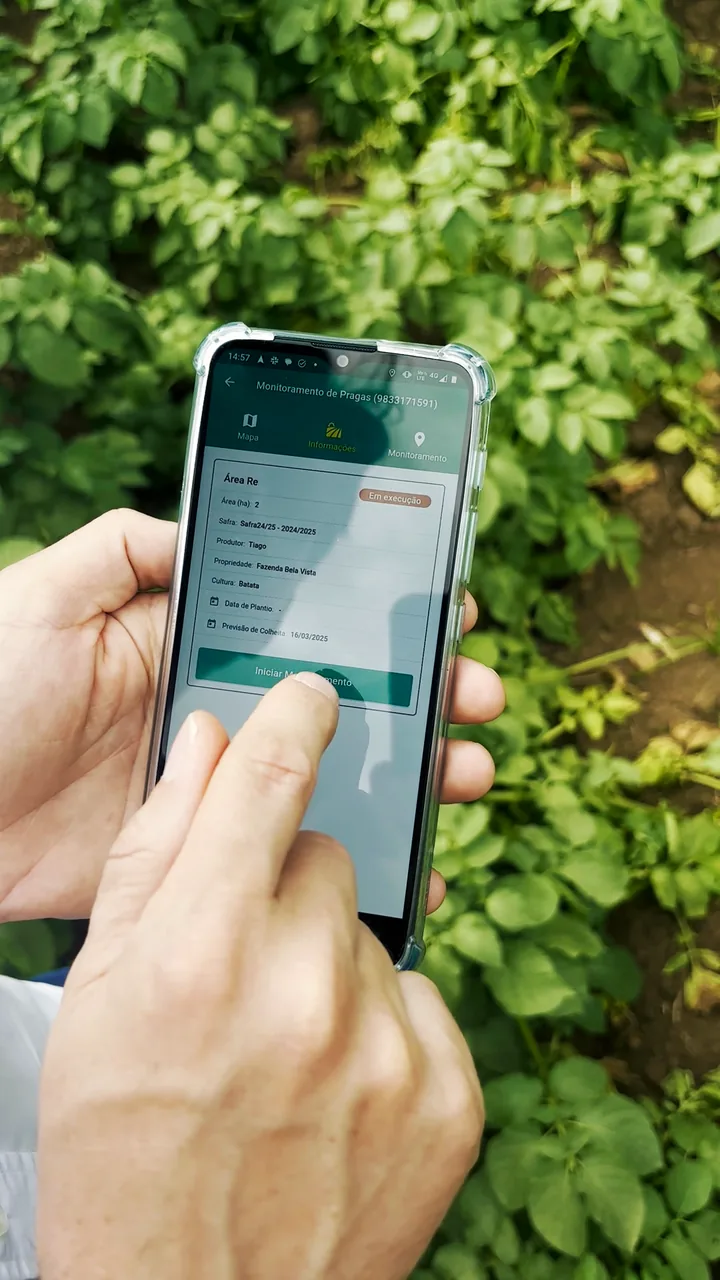
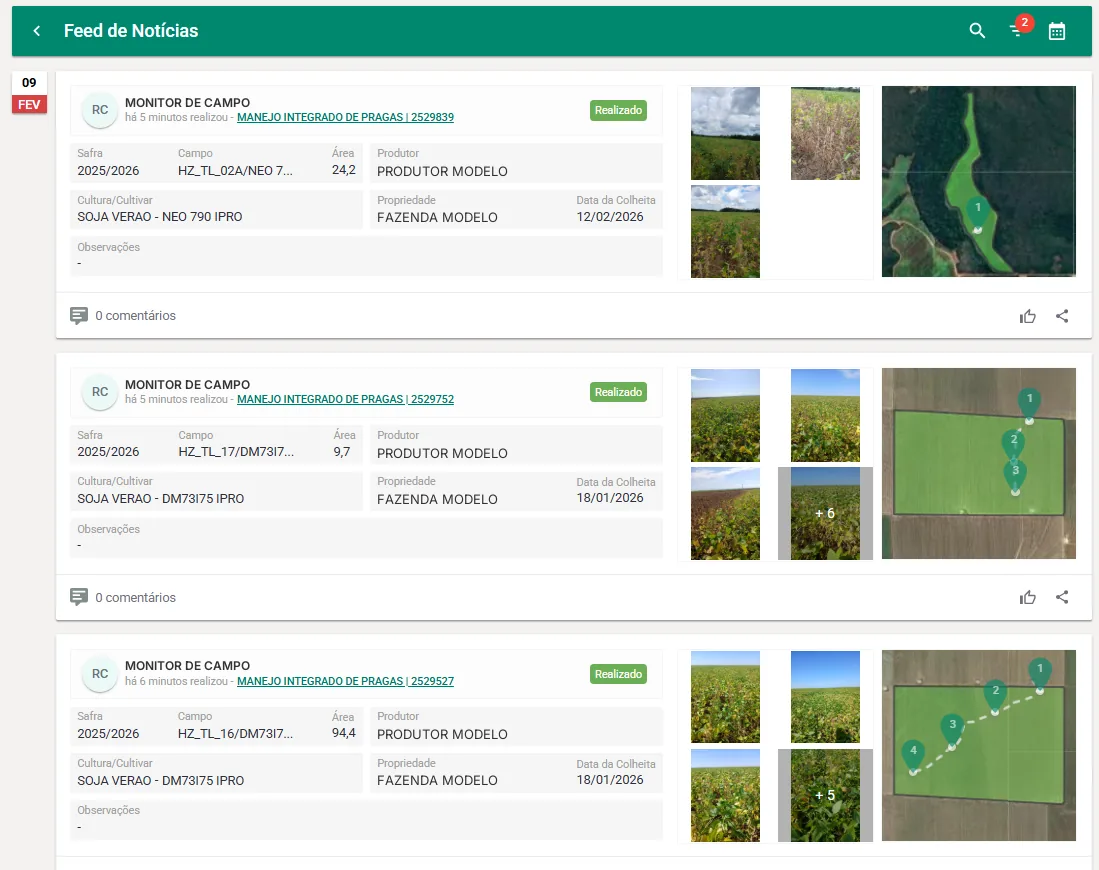
Carry out in-field assessments with photos and the location of each point, following registered points or creating their own route.

Integrations

Integrated with Agrotis Farm and Seed Production

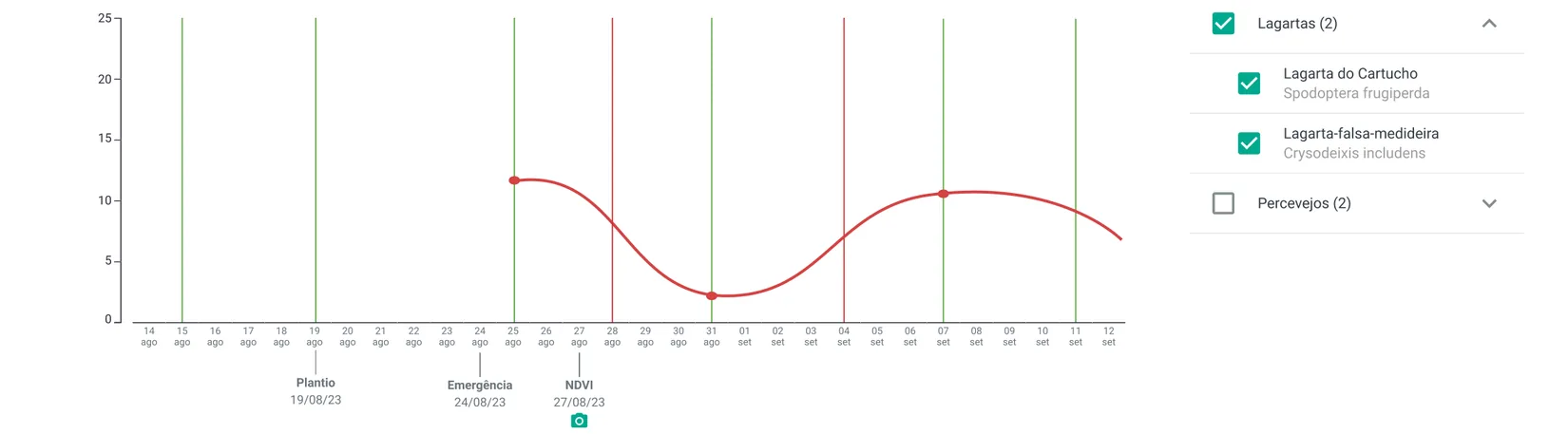
Integrated with the Rural Production module, IPM puts pest population fluctuation and the impact of sprays recorded in field events on the same timeline.

Integrated with the Seed module, it keeps each production field’s pest history, so you can relate, for example, stink bug attacks to the quality of the seed produced.

Soybean field with the Agrotis brand

Frequently asked questions

Didn’t find your question? Talk to a specialist.

What is IPM (Integrated Pest Management)?

It is a strategy that uses crop monitoring and different control methods to keep pests, diseases and weeds below the level that causes economic loss. Spraying decisions are based on field data, not just on the presence of a pest.

How does Agrotis IPM software work?

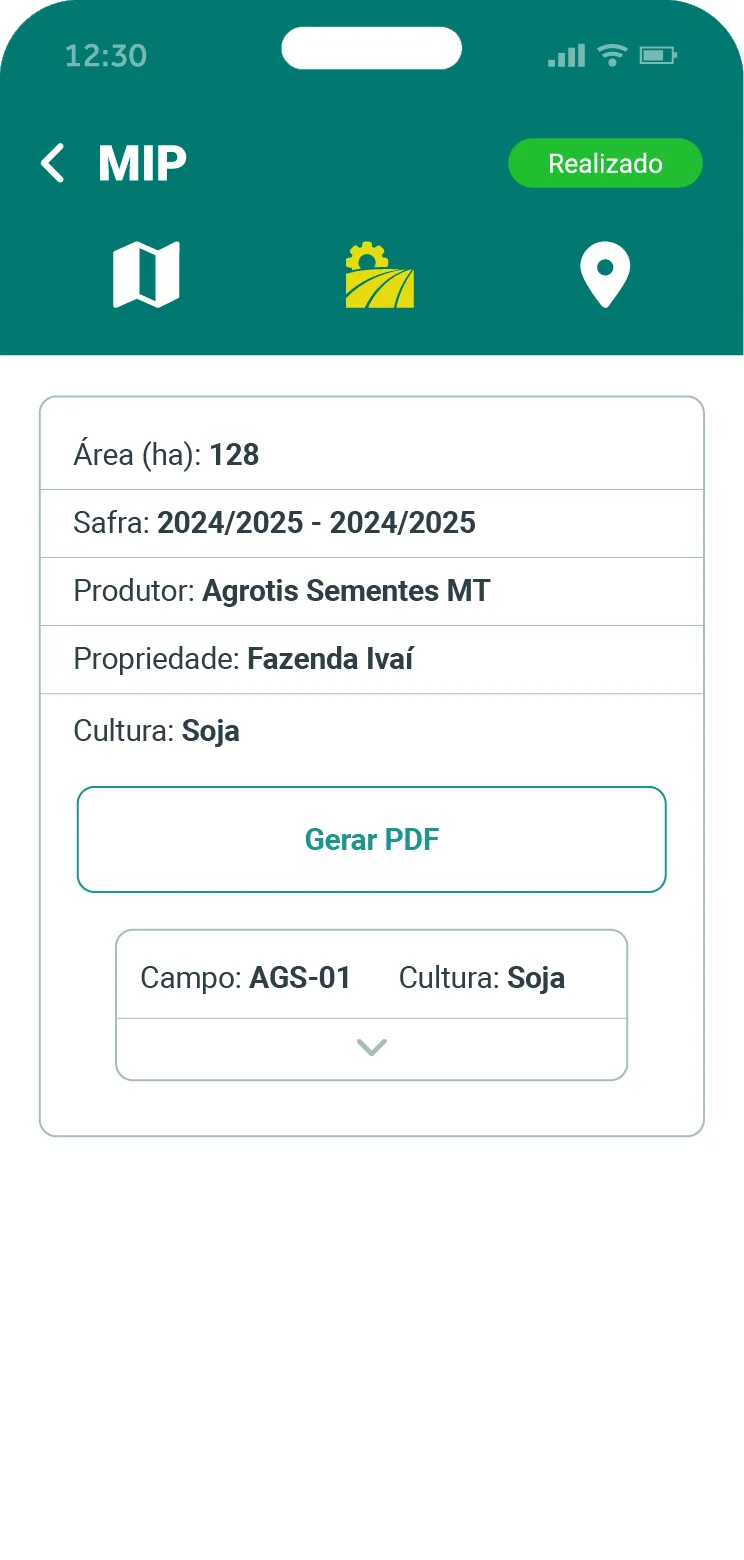
The agronomist sets action thresholds by crop and growth stage and plans monitoring frequency and points, and the field team logs assessments in the app, even offline. Managers follow everything on heat maps, timelines, the feed and PDF reports.

How much can IPM save?

IPM can cut insecticide sprays by about 50% in soybean and by 30% to 40% in cotton. At a customer with 8,000 ha of cotton, IPM applied on 155 ha saved approximately R$ 33,681.49. In soybean, the reference is 2 to 3 bags per hectare saved.

Does the IPM app work without internet?

Yes. Assessments are logged offline, with photos and the location of each point. A connection is needed before and after scouting to sync data. The app runs on Android 12 or later and iOS 15 or later.

Which crops can IPM be set up for?

Action thresholds are set by crop, such as soybean, corn and cotton, by growth stage and by group of insects, diseases and weeds. You can also track stink bug populations in soybean seed production fields.

Does IPM help identify pesticide resistance?

Yes. Each field’s timeline shows pest trends alongside the sprays carried out. With this time-based analysis, managers can see whether a target is showing resistance and adjust strategy across seasons, farms and plots.

Does IPM integrate with other Agrotis modules?

Yes. IPM is part of Agrotis Farm and integrates with the Rural Production and Seed modules. Spraying recommendations are made in the Rural Production module’s field events, and pest history is linked to each production field.

How do I get Agrotis IPM?

IPM is an Agrotis Farm module with a monthly subscription, rolled out by Agrotis consultants. Talk to a specialist on WhatsApp or at +55 41 3523-8200 for a free demo.

Free demo

Bring Integrated Pest Management to your farm

In a quick conversation, a specialist shows action thresholds, the offline app, heat maps and timelines using scenarios from your operation.

Free, no-obligation demo

Learn more: Integrated Pest Management (IPM): what it is and how to apply it with technology

What Integrated Pest Management is

Integrated Pest Management (IPM) is a strategy that combines crop monitoring with different control methods to keep pests, diseases and weeds below the level that causes economic loss. Instead of spraying by calendar or because a pest is simply present, decisions are made on field data.

Action threshold and economic injury level

The economic injury level is the pest population above which losses exceed the cost of control. The action threshold is the point at which you must act so the pest does not reach the injury level. In IPM these limits are set by crop, growth stage and target, and spraying only happens when the action threshold is reached.

Why monitor every plot

Without structured monitoring, it is common to assume the same infestation pattern for every field. In practice, pest pressure varies widely between plots, and key pests can cause losses of up to 80%, as with the cotton boll weevil. Monitoring each field, with a minimum frequency and defined sampling points, shows where and when to act.

Pesticide resistance

Tracking each target’s population over the season, alongside the sprays carried out, shows when a product stops having the expected effect. These time-based analyses help identify resistant targets and adjust strategy across seasons, farms and plots.

How technology supports IPM

Recording assessments, tracking infestation levels, organizing monitoring points and analyzing data over the season is hard work on paper or spreadsheets. With IPM software, scouts record everything in the app, even offline, and managers see on heat maps and timelines where the pest is, what has been applied and what the next decision is.

Free demo